Guide · 6 min read
Modified vs Unmodified Thinset: The 30-Second Answer (and the Long One)
Use modified (ANSI A118.4) thinset for porcelain on most substrates; unmodified (A118.1) under Kerdi and Ditra. Neither is waterproof — here's why.
Free calculator — runs in your browser, nothing is uploaded.
The 30-second answer
Modified thinset (with polymer already in the bag, rated ANSI A118.4 or A118.15) is the default for porcelain tile, floors, and anything outdoors or wet. Unmodified (A118.1) is for specific membrane systems — Schluter Kerdi and Ditra being the famous examples — where the manufacturer requires it.
If neither the tile nor membrane manufacturer says otherwise, buy modified. The polymer costs a few dollars more per bag and buys you bond strength, flexibility, and forgiveness.
Why porcelain changed the rules
Porcelain absorbs almost no water — under 0.5%. Old-style unmodified mortar bonded partly by mechanical grip as the tile drank moisture from the mortar. Porcelain gives it nothing to grab, so the polymer in modified thinset does the bonding instead.
This is why the cheap unmodified bag that's fine for porous ceramic can quietly fail under porcelain — not immediately, but a year later when a hollow spot lets go.
Mixing gear for a lump-free batch
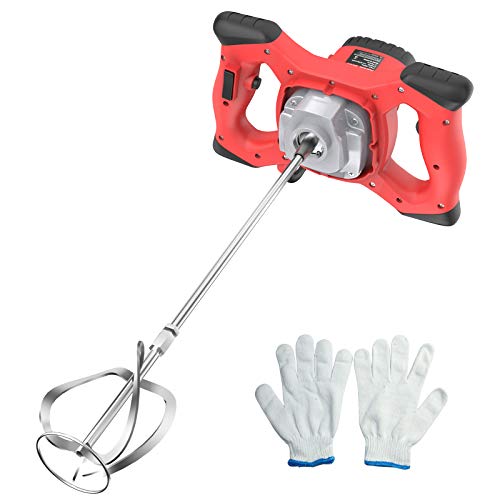
IMAYCC Cement Mixer, 2100W Electric Concrete Mixer with 6 Speed, 110V Handheld Mud Mixer for Motar,Paint, Grout, Plaster, Thinset,Fodder Stirring Tool
$48.99
Check price on Amazon
Edward Tools Paint and Mud Mixer for Drill - Mixes 1 to 3 Gallons - 15 3/4" Length - 5/16" Hex Shaft - Zinc Plated Steel - Reinforced Weld - Non Slip Hex Head - Easy Clean - Paint Mixer Attachment
$9.95
Check price on Amazon
SILVEL Cement Mixer, 2300W Handheld Electric Concrete Mixer, Portable Mortar Mixer with 6 Adjustable Speed, 110V Mud Mixer for Mixing Mud, Cement, Mortar, Paint, Fodder
$49.99
Check price on Amazon
As an Amazon Associate I earn from qualifying purchases.
Prices as of Oct 10, 2026, 6:33 AM UTC. Product prices and availability are accurate as of the date/time indicated and are subject to change. Any price and availability information displayed on Amazon.com at the time of purchase will apply to the purchase of this product.
The membrane exception
Schluter systems sandwich unmodified mortar between two waterproof layers. Modified mortar needs air exposure to dry and cure; trapped between Kerdi and porcelain, it can stay soft for weeks. Unmodified cures by chemical reaction and doesn't care about air.
The lesson generalizes: read the membrane manufacturer's spec sheet before you buy mortar. Using modified where unmodified is specified can void the waterproofing warranty — and waterproofing warranties are the ones that matter.
Mixing and slake time
Mix thinset to a thick peanut-butter consistency, then let it slake — sit untouched — for 5–10 minutes so the chemicals fully wet out. Remix briefly without adding water, and it's ready. Then match the trowel to the tile: the tile trowel size calculator gives the notch and the mortar coverage to check for.
Never add water to stiffening mortar to extend its life. Once thinset starts to skin over in the bucket (2–3 hours), its bond strength is gone. Mix smaller batches instead.
Choosing a bag? See our thinset buying guide.
Do this math on the job site — in the free app
Smart Tile Calculator for Android: offline, in your pocket, free.
FAQ
Is modified thinset waterproof?
No mortar is waterproof — thinset is a bonding layer, not a waterproofing layer. Wet areas need a membrane (sheet or liquid) behind or under the tile regardless of mortar choice.
What does ANSI A118.15 mean?
It's the highest-performance modified thinset rating — improved bond strength and flexibility. For large-format porcelain or demanding installs, A118.15 is worth the premium over basic A118.4.
Can I use mastic instead of thinset?
Only on dry interior walls — backsplashes and accent walls. Mastic re-emulsifies when wet, so never use it in showers, on floors, or outdoors. Thinset costs less and works everywhere.
Keep reading
- Sanded vs Unsanded vs Epoxy Grout: Which One Do You Need?
Grout types explained by joint width and location: when sand scratches tile, why epoxy wins in showers, and how much of each type a bag actually covers.
- Waterproofing a Tiled Shower: The Layer Cake That Keeps Water Out
Why tile and grout are not waterproof, how sheet and liquid membranes work, where corners and niches fail, and the flood test you shouldn't skip.