Tile Pattern Calculator
Area and pattern
45° zigzag. Highest cut count of any common layout.
Tiles to buy
90 tiles
- Pattern
- Herringbone
- Recommended waste
- 20%
- Area with waste
- 180 sq ft
- One tile covers
- 2 sq ft
- Extra tiles the pattern costs
- 15
Mosaic and penny tile is sold by the sheet — treat each sheet as one 'tile' above.
Waste factor by tile pattern
| Pattern | Waste | Cut difficulty | Tiles for 150 sq ft of 12x24 |
|---|---|---|---|
| Straight grid | 10% | Low | 83 |
| Offset / brick | 10% | Low | 83 |
| Hexagon | 15% | Medium | 87 |
| Diagonal 45° | 15% | Medium | 87 |
| Herringbone | 20% | High | 90 |
| Chevron | 20% | High | 90 |
Saws and layout tools for pattern work

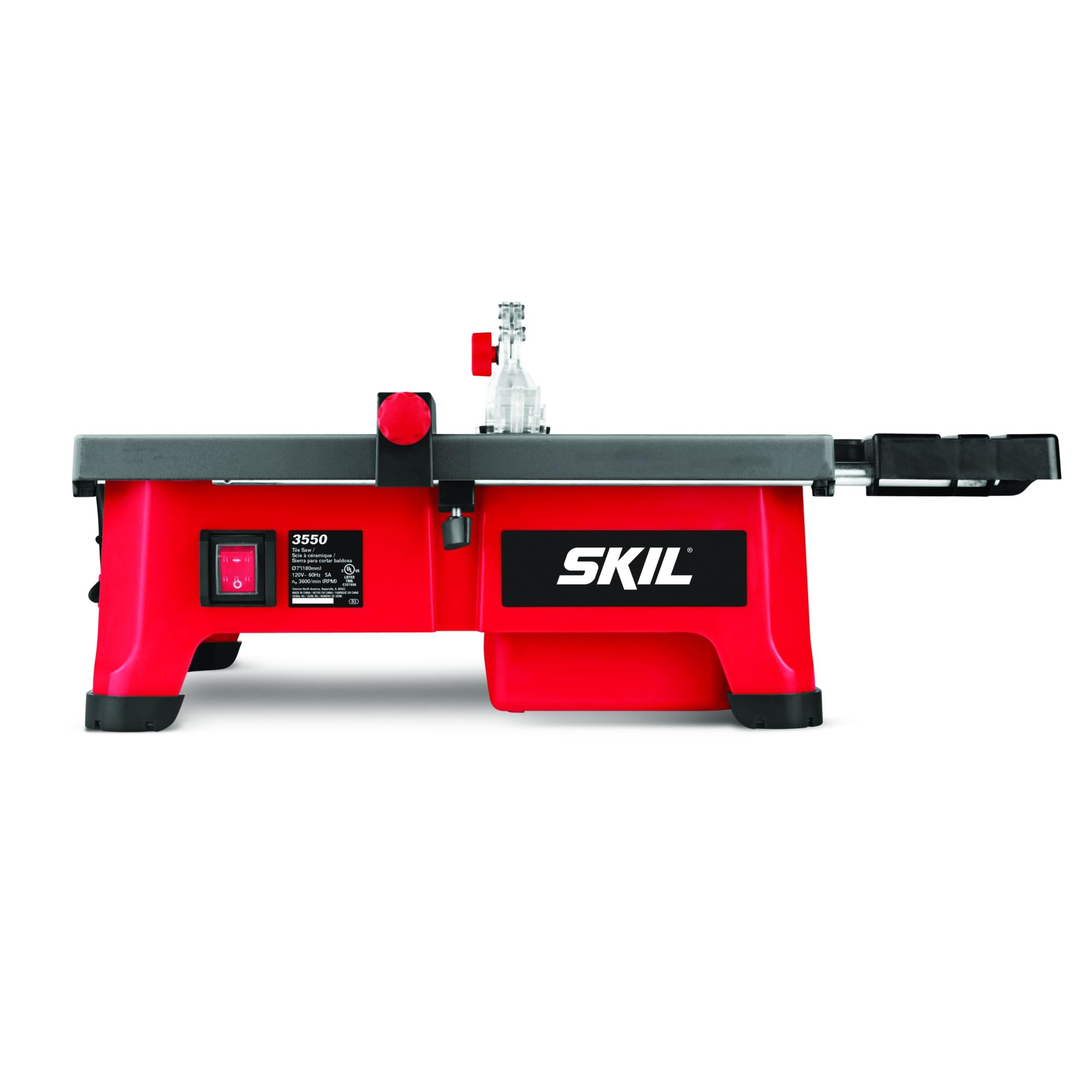
PORTER-CABLE Tile Saw, Wet Saw with 7-inch Cutting Capacity and On-Board Cutting Guide (PCE980)
Check price on Amazon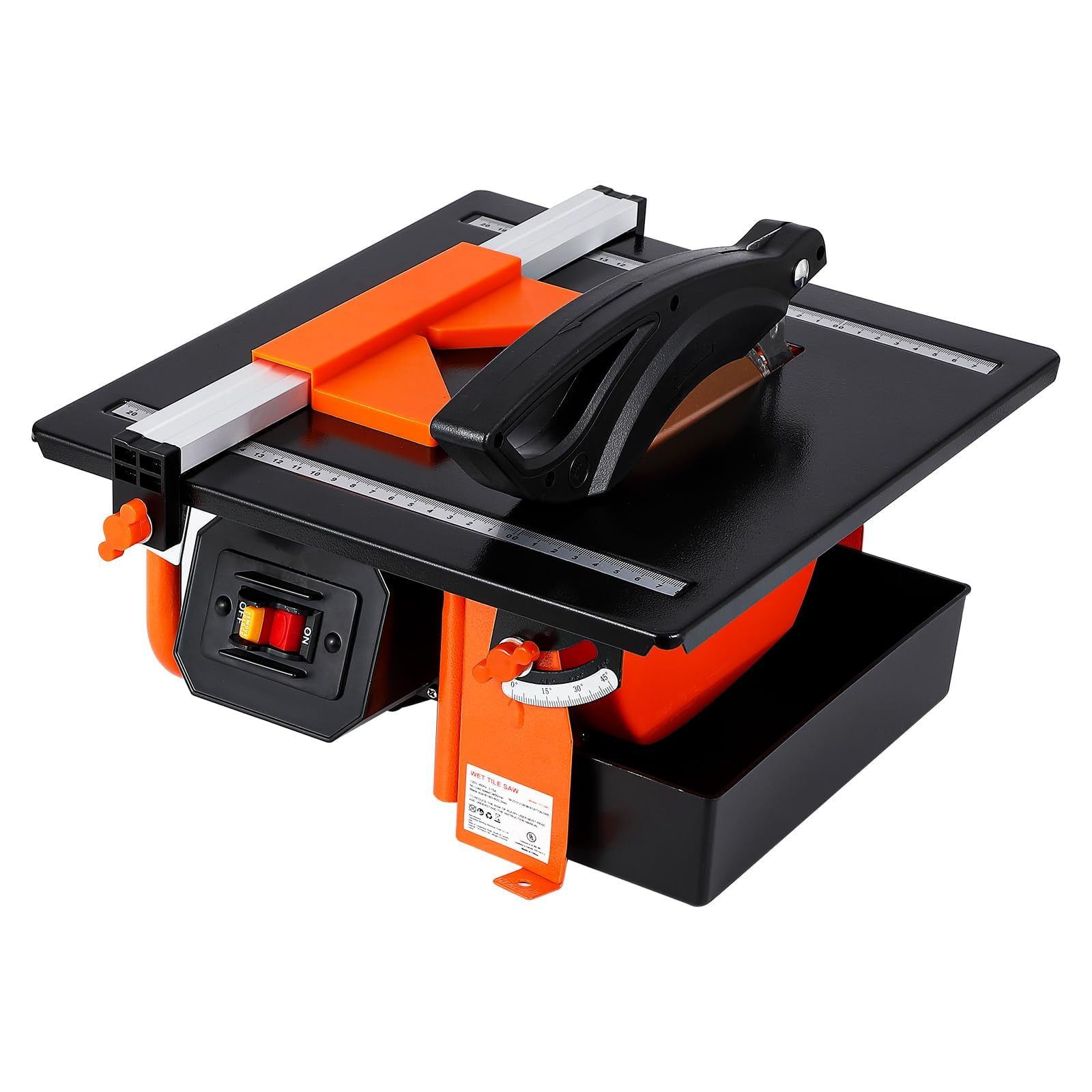
Takywep 7 inch Wet Tile Saw, 3450 RPM, Bevel cuts tile from 0 to 45 Degrees | Tile Cutter Wet Saw with Water Reservoir for Cutting Tiles and Stones, for DIY Enthusiasts
Check price on Amazon
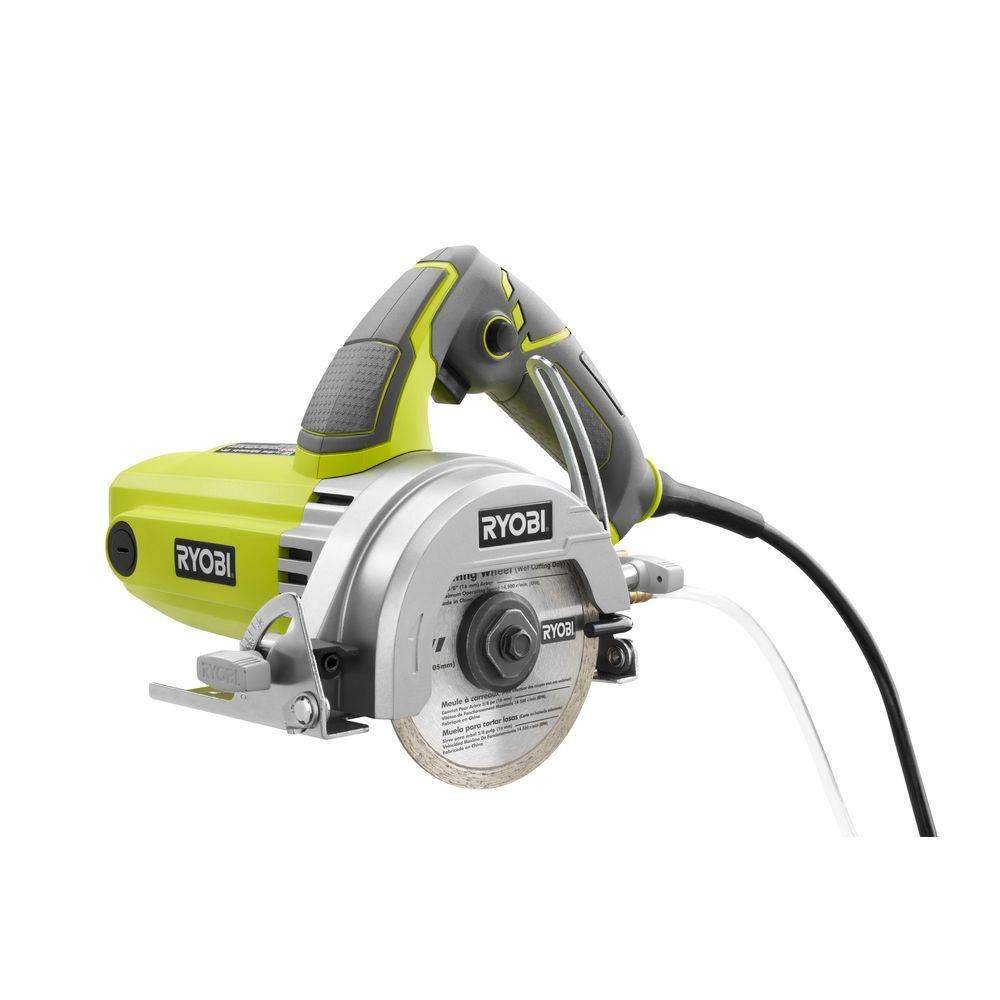
VEVOR 7-inch 65Mn Steel Blade, Wet Tile Saw, 3500 RPM Induction Motor, Tile Cutter Wet Saw with Water Reservoir, 0-45 Degrees Miter Angle for Cutting Tiles and Stones, for DIY Enthusiasts
Check price on Amazon

Paid links — we may earn a commission at no extra cost to you.
Do this math on the job site — in the free app
Smart Tile Calculator for Android: offline, in your pocket, no ads. iPhone version coming soon.
Tools the pros use for this job
Tile Wet Saw
Angled pattern cuts need a sliding wet saw, not a snap cutter.
Layout Square

Tile Tools Stainless Steel Square Notch Trowel Set Plus Rubber Grout Float and Grout Sponge for Tiling Installation Grouting
Check price on AmazonHerringbone drifts fast — check square every few rows.
Tile Spacers
500 Pcs 3 mm (1/8 Inch) Plastic Tile Spacers for Stone and Ceramic Tile | 500-Piece Pack,3 mm Spacing,Even Tile Layout,Plastic Construction,Multiple Installation Uses
Check price on AmazonPattern layouts need consistent joints more than any grid does.
Paid links — we may earn a commission at no extra cost to you.
How this calculator works
The tile coverage never changes — a 12x24 tile is 2 sq ft in every layout. What changes is the number of tiles you cut and throw away. In a grid, most offcuts get reused at the opposite wall. In herringbone, almost none do.
Planning the layout: snap chalk lines through the exact centre of the room, dry-lay a full row in both directions, and shift the centre line so the cuts at opposite walls are equal and never thinner than half a tile. A sliver cut along a doorway is the single most common giveaway of a rushed job.
- Balance cuts on opposite walls — move the start line, not the pattern.
- Start herringbone from a centre line at 45°, not from a wall.
- Keep offsets on plank tile to 33% maximum to avoid lippage.
- Order all tile in one purchase so the dye lot matches.
More: the waste factor guide, the herringbone calculator and layout cut planner.
Frequently asked questions
How much extra tile do I need for herringbone?
20% over the measured area. Every row ends in a 45° cut and the triangular offcuts almost never fit elsewhere.
Which tile pattern wastes the least?
A straight grid or a simple offset — about 10%. Both let you reuse the offcut from one wall to start the row at the other.
Does a diagonal layout really need 15%?
Yes. Turning the grid 45° means every perimeter tile is cut into two triangles, and only one of them usually gets used.
How do I plan a tile layout so the cuts look right?
Find the room centre, dry-lay a full row each way, then shift the centre line so opposite walls end with equal cuts no smaller than half a tile.
Related calculators
- Tile Layout & Pattern CalculatorCut sizes and row counts for grid, offset, diagonal, herringbone.
- Herringbone Tile CalculatorPlank tile counts with the extra waste herringbone demands.
- Subway Tile Calculator3x6 subway tile counts by pattern for walls and backsplashes.
- Tile Waste Factor GuideHow much extra tile to order, by pattern and room complexity.
Guides worth reading next
- How to Measure a Room for Tile (Step by Step)Measure any room for floor or wall tile: handle closets and alcoves, convert inches to decimals, subtract fixtures, and add the right waste percentage.
- Choosing the Right Tile Size for Your RoomHow tile size changes a room: when 12×24 beats 4×4, why small rooms can take large tile, grout line math, and the flatness rule for big formats.
- Sanded vs Unsanded vs Epoxy Grout: Which One Do You Need?Grout types explained by joint width and location: when sand scratches tile, why epoxy wins in showers, and how much of each type a bag actually covers.